
Non-Destructive Testing in Industry
Every year, corrosion destroys 25% of global steel production. Understanding NDT means understanding the scale of the industrial safety challenge.
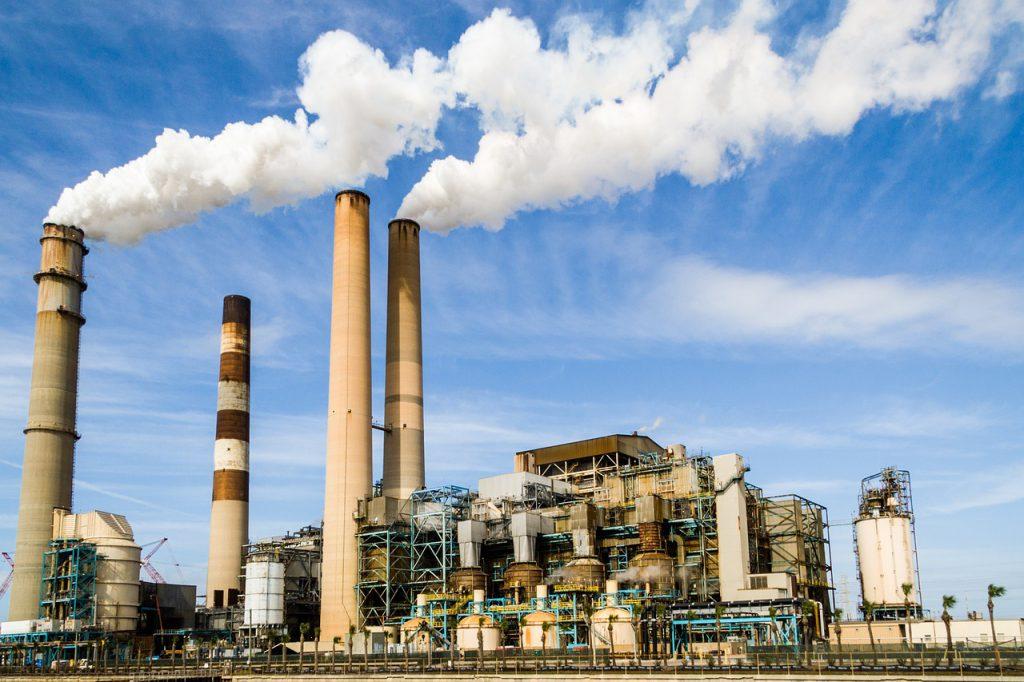
Aging facilities, increasing risks
Most industrial facilities in OECD countries date back to the second half of the 20th century: energy production, refining, chemicals, rail transport, cement plants, steel mills, paper mills, sugar plants, and maritime transport.
In a context of aging Western industrial assets, the risk of failure is increasing. The share of inspections carried out on equipment without proper monitoring is in constant growth.
To prevent accidents, non-destructive testing is carried out regularly on these assets.
NDT consists of techniques used to assess the properties of materials
The objective of thickness and visual inspections is to anticipate failure — loss of tightness, loss of structural strength — of equipment that could create risks for safety, human health, the environment, and the profitability of a site.
The risks linked to equipment failure
The failure of production equipment can generate major human, environmental, and economic consequences.
Workplace accident
Risk caused by a product leak, structural collapse, or an urgent intervention carried out without proper preparation.
Environmental damage
Soil, water, and air pollution, with long-lasting ecological consequences.
Emergency maintenance
More costly and less suitable intervention than planned, preventive maintenance.
Production shutdown
Work in progress immobilized, loss of revenue caused by reduced operating rates.
Financial losses
Maintenance overruns, legal penalties, and reputational damage in the event of an incident.
Regulatory non-compliance
Administrative sanctions, temporary shutdowns, and criminal liability for operators.
Preventing risks through NDT implementation
The highest-risk installations are subject to regulatory inspections. These are assets governed by specific regulations: pressure equipment, storage tanks, chimneys, and more.
In France, these inspections are carried out by approved inspection bodies that verify whether equipment complies with regulatory requirements. They prescribe NDT, analyze results, and produce strength calculations, aging assessments, and recommendations.
In addition to regulated assets, a very significant share of production equipment is exposed to corrosion, abrasion, and cracking without being covered by a regulatory inspection plan.
Approved inspection bodies
Bureau Veritas, Apave, Institut de Soudure, SGS, and others prescribe and verify regulatory NDT.
Forward inspection plan
Industrial operators develop an inspection plan, with qualified personnel and dedicated budgets.
Internal inspections
Non-regulated equipment is inspected by maintenance technicians using basic NDT tools.
Standards framework
PM2I, DT94, EEMUA 159, API 653, CODRES — the references that govern periodic inspections.
Improving NDT accessibility
In the field, a significant share of inspections is carried out in hard-to-access environments: work at height, confined spaces, and radiologically active areas.
French labor law prohibits the use of rope-access technicians in these contexts and requires the use of collective protection systems such as podium ladders, MEWPs, and scaffolding, even at relatively low heights.
The total cost of these access systems — direct cost, co-activity, organization, specific risks, and regulatory constraints — is higher than the cost of the inspections themselves. Time, cost, and operational constraints often make these inspections prohibitive.
Height & confinement
The areas to be inspected are often inaccessible without heavy and costly access systems.
Strict regulation
Mandatory collective protection, prohibition of rope access, and demanding HSE standards.
Prohibitive costs
Access systems cost more than the inspections themselves, which limits their frequency.
The robotic solution
ROBOPLANET makes NDT more accessible in order to expand its use and improve safety.
ROBOPLANET’s contribution is to offer NDT solutions that make inspections more accessible, helping to expand their use and improve the safety and competitiveness of industrial sites.
Discover our robotic inspection solutions
Our robots make NDT accessible without access systems for work at height, while maintaining full safety.